
IPSICC and Postgraduate class – Information
(11 April – 17 April, 2026)
Information for the Somatic module class
Dear Postgraduates
You are invited to this special open week of teaching alongside our regular students for the Somatic module: How to work with the body’s nervous system and the Flight/Fight/Freeze defense states. This will be 6 days of teaching and will induce a lot of practical tools and class demonstrations.
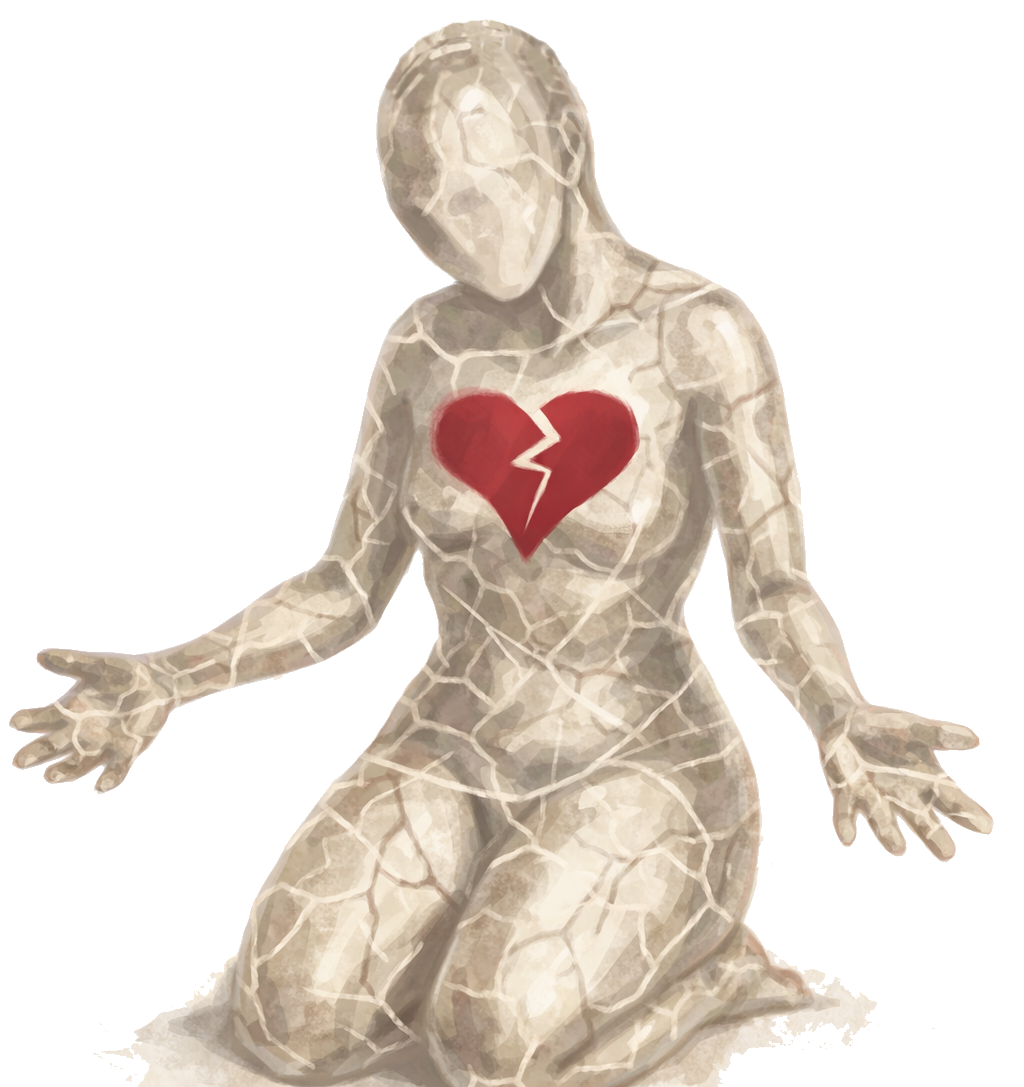 Somatic Therapy Week – Working with the body’s nervous system and the Polyvagal theory
When: April 11-17, 2026
Starting at 14:30 on Saturday the 11th and ending at 13:00 on Friday the 17th
Where: Løgstør Parkhotel, in Løgstør, Denmark
Cost: 3000 DKK (hotel room and board is extra: Single room + all meals incl = 8.600 DKK; Double room + all meals incl.= 5.600 DKK – Fill in Order form and send to Vibeke if you have not done so already)
Instructor: Eric Spady M.A, SEP
A new way to work with trauma:
Trauma is not the event; but the traumatic experience held in your body. The trauma response can get interrupted and stuck in the body, long after the ‘event’ is over. This module will help give you the practical tools on how to work with the nervous systems ‘stuckness’ and to complete the trauma response and reorganize the physiology to feel safer in your body.
In this module, I will teach you some of the basics of the somatic therapy and tools I learned and combine it with Powerful Peace. I have found this approach to be a greater (and faster) healing and release from symptoms for clients. When I took the three-year Somatic Experience™ (SE) course many years ago to become an SEP (Somatic Experience Practitioner) and it was a ‘game changer’ for me in working with sexual abuse and other traumas.
What will be taught:
- Biblical basis for working with the body. Why we must incorporate the body in psychotherapy.
 Using the Window of Tolerance with clients and an overview of our ‘Defense States’ and how that relates to the nervous system and the Polyvagal theory
- Anger and how to complete the Fight, Flight activation states to get unstuck and how!
- What are Freeze and Collapse and how they show up relationally (often at the worst times).
- The Polyvagal Ladder Why it matters and how to work with it
- Practical tools and class demonstrations. You will go home from this week with serval practical things you can do for yourself and your clients in getting out of the ‘stuck on’ – fight/flight response or and the ‘stuck off’ response of shutdown / freeze.
To enrol in the class, download the ‘Order Form’ and fill in and send back to Vibeke at Vibeke@ipsicc.org
DAILY SCHEDULE
Sample of the Day program April 2026– Danish time
Saturday April 11
14:30 Coffee
15:00 Lesson
16:30 break
16:45 Group
18:15 break
18:30 Powerful Peace (PP)
20:00 Dinner
Sun April 12th – Thur April 16th
07:30 Breakfast
08:00 worship / Devotions
08:45 Lesson
10:15 coffee
10:45 Lesson
12:15 lunch
14.30 Lesson
16:00 Coffee & Groups
17:30 break
18:00 PP
20:00 Dinner
Friday April 17th
07:15 Breakfast
08:00 worship
08:45 Lesson
10:15 coffee
10:45 Lesson
12:30 lunch
end
What the class is about and why it' so helpful
Somatic therapy is considered an evidence-based treatment, particularly for PTSD, anxiety, and depression, with growing research supporting its effectiveness in helping people process trauma and regulate their nervous system by focusing on the mind-body connection, though more high-quality studies (like randomized controlled trials) are needed to solidify its standing compared to older therapies like CBT. Studies show it significantly reduces trauma symptoms, improves quality of life, and helps release stored tension, with key methods like Somatic Experiencing (SE) showing promising results, notes the National Institutes of Health (NIH), National Institutes of Health (NIH) and Frontiers.
Evidence supports its effectiveness for:
- Trauma & PTSD: Helps release physical tension from traumatic events, significantly reducing PTSD symptoms, as shown in studies published by Taylor & Francis Online and the National Institutes of Health (NIH).
- Anxiety & Depression: Reduces symptoms of anxiety and depression, with positive effects noted for comorbid conditions.
- Chronic Pain: Can help with pain-related symptoms by addressing the body’s stored responses to stress and trauma, reports National Institutes of Health (NIH) and Frontiers.
Key Considerations:
Newer Field: Research is newer than for CBT, but growing rapidly, with organizations like Somatic Experiencing International actively building the evidence base.
Mind-Body Connection: It’s effective because trauma isn’t just in the mind; it’s stored in the body, and somatic therapy addresses this physical aspect through mindfulness, breathwork, and gentle movement.
Holistic Approach: Often used alongside other therapies for a comprehensive treatment plan, says the Mayo Clinic Press.
Summary of the Polyvagal Theory
Since the provided content contained no usable information on this topic, the following summary is based on general scientific knowledge.
What Is the Polyvagal Theory?
The Polyvagal Theory, developed by neuroscientist Stephen Porges, explains how the autonomic nervous system (ANS) shapes our emotional experiences, stress responses, and social behaviors.## Core Ideas
1. The Vagus Nerve Has Multiple Functional Pathways
Polyvagal Theory proposes that the vagus nerve has two main branches, each supporting different states:
-
- Ventral vagal system: Supports social engagement, calmness, emotional regulation.
- Dorsal vagal system: Activates shutdown, immobilization, or dissociation when overwhelmed.
2. Hierarchy of Nervous System Responses – The ANS responds to the world in a hierarchical sequence:
-
-
- Social Engagement (ventral vagal): feeling safe, connected.
- Fight-or-Flight (sympathetic): mobilization to confront or escape danger.
- Shutdown (dorsal vagal): collapse, freeze, dissociation when threats feel inescapable.
-
3. Neuroception
Polyvagal Theory introduces neuroception—the brain’s unconscious system for detecting safety or threat, influencing emotional and physiological states before conscious awareness.## Why It Matters
Polyvagal Theory is widely applied in:
-
-
- Trauma therapy
- Somatic therapies
- Understanding stress disorders
- Improving social and emotional regulation
-
In Short
Polyvagal Theory redefines our understanding of how the body and nervous system respond to stress, showing that feelings of safety and social connection are biologically rooted and essential for well-being.